
Tuckpointing & Repointing Services
Professional tuckpointing and repointing services that restore your masonry's strength and protect against water damage.
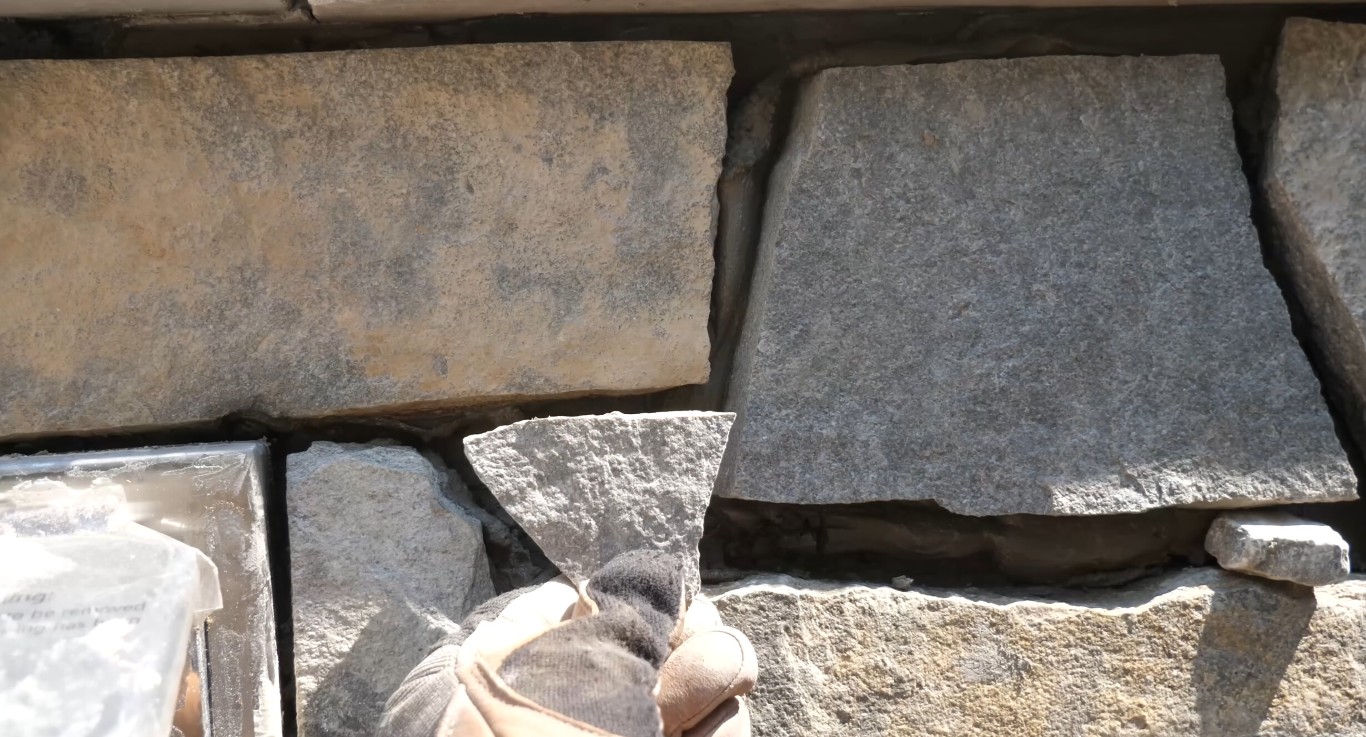
Understanding Tuckpointing and Repointing
If you're wondering what tuckpointing actually means, you're not alone. Most homeowners have never heard the term until a contractor mentions their mortar joints need work. Here's the simple explanation: tuckpointing is the process of removing deteriorated mortar from the joints between bricks and filling those joints with fresh mortar. Repointing means essentially the same thing, and the terms are often used interchangeably in the masonry industry.
The mortar joints in your brick walls are designed to be the weakest part of the system. That sounds backwards, but it's actually smart engineering. When stress from settling, temperature changes, or moisture affects your masonry, you want the mortar to fail rather than the bricks. Mortar is much easier and less expensive to replace than bricks, so this design protects your investment over the long term.
Over time, mortar naturally deteriorates. In Oceanside and the surrounding coastal areas, this happens faster than in many other parts of the country. Salt air, moisture from morning fog, and temperature fluctuations all accelerate mortar breakdown. Once the mortar starts crumbling or falling out, water can get behind your brickwork. That's when you go from a simple maintenance issue to serious structural problems.
At OC Oceanside Masonry, we perform tuckpointing on homes, chimneys, retaining walls, and commercial buildings throughout North County San Diego. We've restored everything from century-old historic buildings to ten-year-old homes where poor-quality mortar was used in the original construction. The process is the same: carefully remove the old mortar, prepare the joints properly, and install new mortar that will protect your masonry for decades to come.
Signs Your Mortar Needs Professional Attention
Many homeowners don't pay much attention to their mortar joints until there's an obvious problem. But catching deterioration early saves you money and prevents water damage. Here's what to look for:
Crumbling or Missing Mortar
When you can scrape mortar out with your finger, or you see chunks of mortar on the ground below your brick walls, it's time for tuckpointing. Don't wait until entire joints are missing. The sooner we repair deteriorated mortar, the less risk there is of water damage or brick failure.
Cracks in Mortar Joints
Horizontal cracks running along the mortar joints indicate the mortar is losing its adhesion to the brick. Vertical cracks through the joints suggest settlement or structural movement. Either way, these cracks let water penetrate your masonry, and they'll only get worse over time. Addressing them now prevents bigger problems later.
White Staining on Brick
Those white, powdery deposits on your brick are called efflorescence. They appear when water moves through the masonry and deposits minerals on the surface. Efflorescence is a clear sign that water is getting into your walls, usually through deteriorated mortar joints. The staining itself is mostly cosmetic, but it points to a more serious problem that needs fixing.
Gaps Between Mortar and Brick
If you notice gaps where the mortar has pulled away from the brick, the bond has failed. This happens when mortar deteriorates or when the wrong type of mortar was used originally. We see this frequently in DIY repairs where homeowners used mortar that's too hard for the brick. The solution is professional repointing with correctly formulated mortar.
How We Restore Your Mortar Joints
Tuckpointing looks simple, but doing it correctly requires skill, the right materials, and proper technique. Poor tuckpointing can actually damage your brickwork, so it's important to work with experienced masons who understand both the technical requirements and the materials science involved.
Our Professional Approach
- 1.Careful removal of deteriorated mortar to the proper depth using specialized tools that won't damage the surrounding brick
- 2.Thorough cleaning of joints to remove all loose material and dust, ensuring proper bonding of new mortar
- 3.Mixing mortar to match the strength, color, and composition of your existing joints, or using appropriate mortar for your specific brick type
- 4.Application of new mortar in layers, properly compacting each layer to eliminate voids and ensure a strong bond
- 5.Tooling joints to match your existing profile, whether that's concave, struck, flush, or another style
- 6.Proper curing procedures to ensure the mortar reaches full strength and durability
One of the most critical aspects of tuckpointing is matching the mortar to your brick. Modern mortar is often too hard for older bricks, and using it can cause the bricks to crack or spall. We analyze your existing mortar and brick to determine the correct mix. For historic homes, we sometimes use lime-based mortars that match the original construction materials and methods.
Color matching matters too. We custom-mix mortar to blend with your existing joints so the repairs aren't obvious. For larger projects, we often do a test section first to make sure you're happy with the color and appearance before we proceed with the full job. This attention to detail makes the difference between tuckpointing that stands out and restoration that looks like your wall was never damaged.
Frequently Asked Questions
Get Your Free Tuckpointing Estimate
Protect your masonry investment with professional tuckpointing services. We provide free inspections and detailed estimates for all tuckpointing and repointing projects in Oceanside and surrounding areas.
(760) 388-1012